
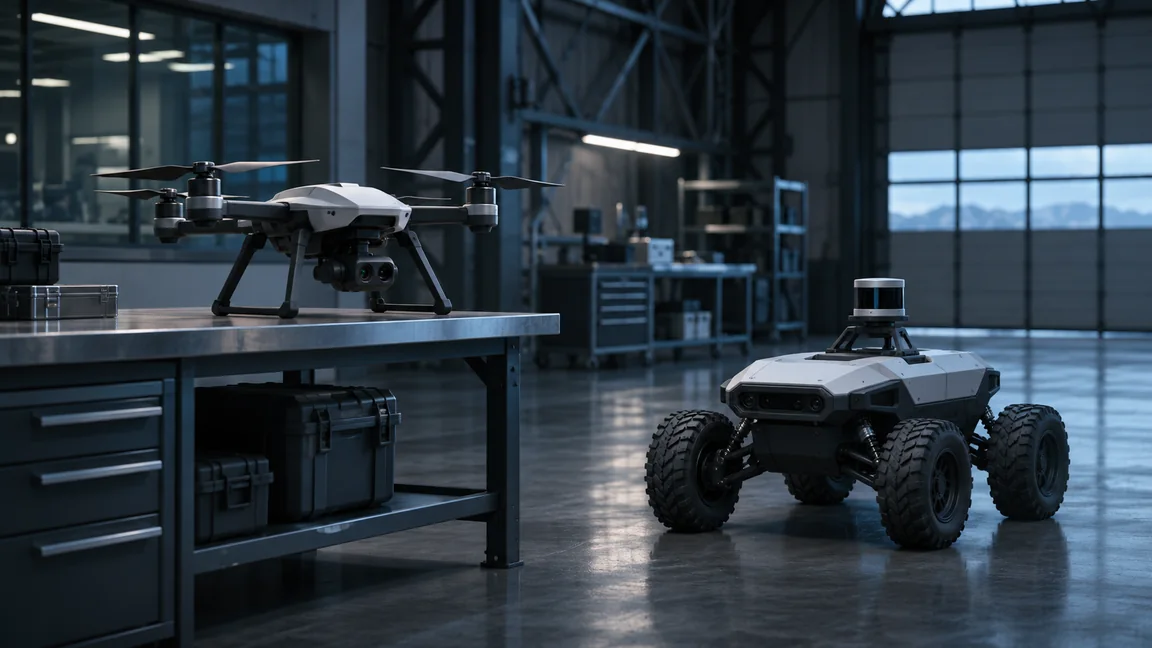
UAV & UGV Systems
My UAV and ground robot work involved cameras, sensors, and motion data. On the ground platform, I compared system readings with controlled runs. In UAV research, I evaluated the inputs needed for visual positioning.
Founder of Offlinelab
I’m the founder of Offlinelab. My entrepreneurial experience grew out of the practical work at TechnoRoom: purchasing, catalog operations, sales, and customer service. These workflows led to integrations and automation tools.
At TechnoRoom, I defined how the catalog, pricing, and orders should work and tested changes in the live store. In engineering projects, I defined prototype requirements, compared data with how the devices behaved, and refined the test criteria.
View projectsIn robotics and autonomous systems projects, I defined prototype requirements, worked on software and electronics integration, and tested whether the system behaved as expected.
My UAV and ground robot work involved cameras, sensors, and motion data. On the ground platform, I compared system readings with controlled runs. In UAV research, I evaluated the inputs needed for visual positioning.
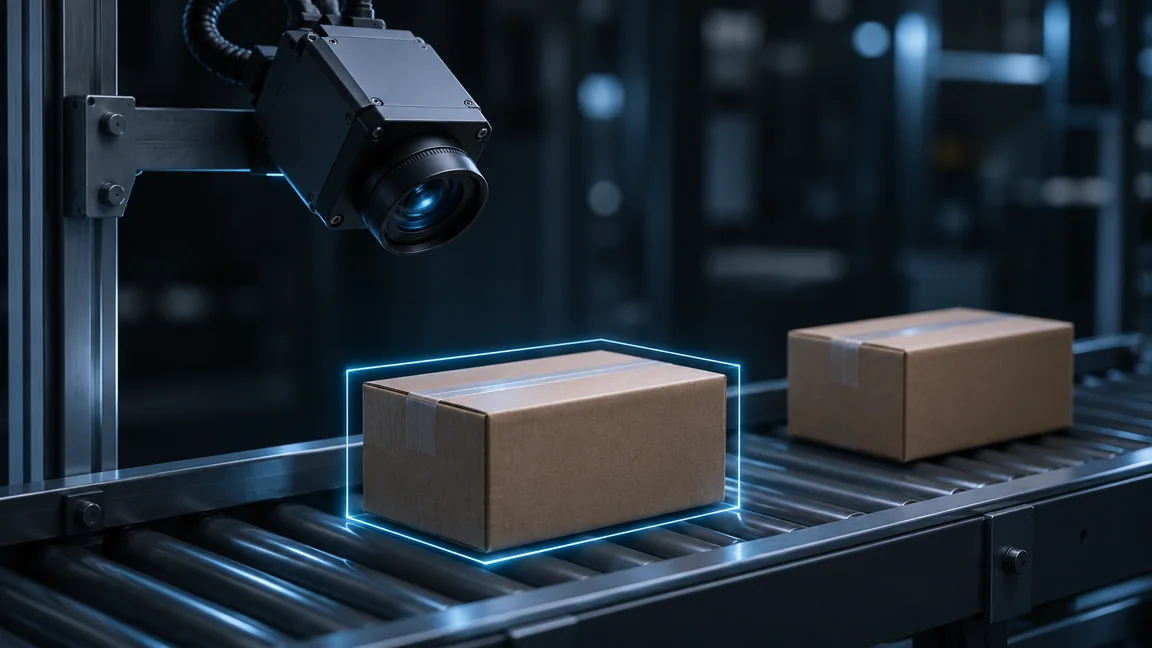
I evaluated video detection and tracking on recordings, comparing how camera motion, background changes, and occlusion affected the results. In commercial work, I also worked with an AI assistant that uses product catalog data.
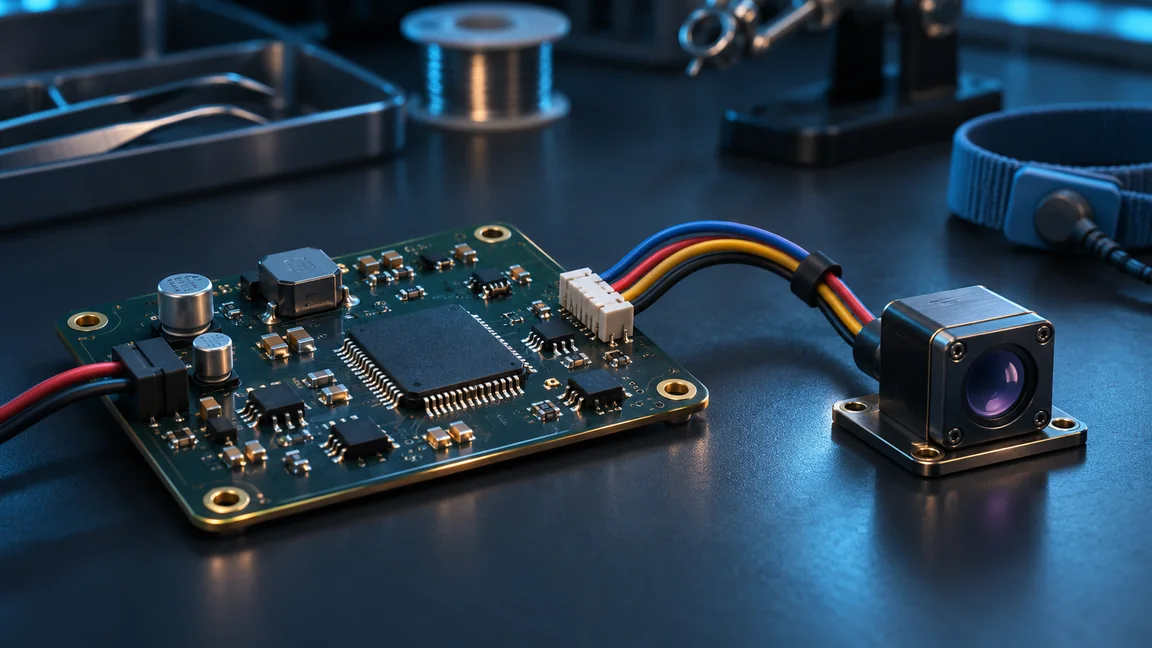
I worked on connecting sensors to prototypes and passing their data to software. Bench checks focused on whether readings arrived on time and whether the operator interface showed them correctly.
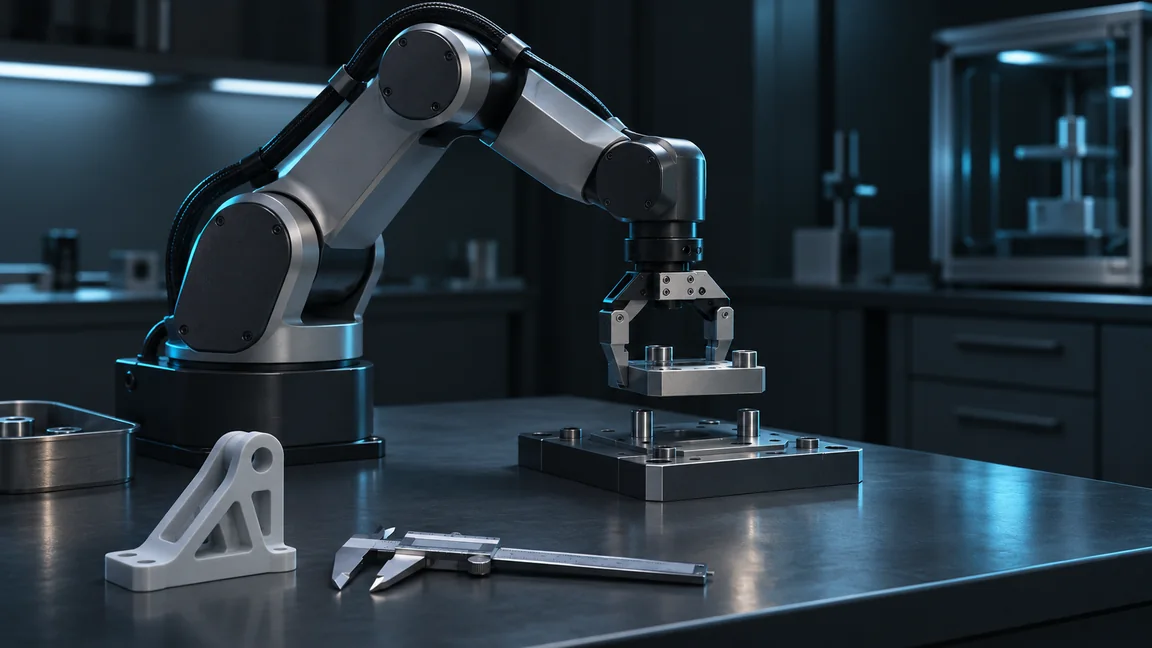
I worked with 3D models and parts for prototype assembly. I checked component fit on physical models, documented discrepancies, and refined requirements before the next iteration.
Define the problem, constraints, and a result that can be verified.
Build the software logic and prepare ways to test it.
Connect the electronics, sensors, mechanics, and software.
Assemble a prototype and check how its components work together.
Compare system behavior against the criteria and document limits.
Apply what the tests showed and repeat the check.
MilTech experience complements civilian and industrial development. Sensor integration, computer vision, and prototype testing also serve equipment inspection, telemetry collection, and quality control.
Tell us how the process works today and what needs to change. That gives us a scope for the first step.